


-

Add: HeBei ShengShi HongBang Cellulose Technology CO.,LTD.
-

Email
13180486930@163.com -

CONTACT US
+86 13180486930
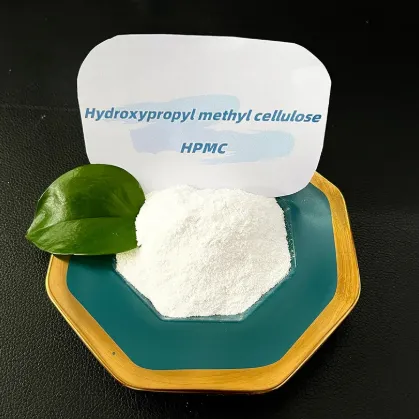


Hydroxypropyl methylcellulose (HPMC) is an exceptional multifunctional ingredient that finds various applications in the cosmetics industry . Renowned for its versatility, HPMC serves as a thickening agent, emulsifier, film former, and stabilizer, making it indispensable in the formulation of numerous beauty and personal care products. One of the most common uses of HPMC in cosmetics is as a thickening agent. Its unique ability to increase viscosity without impacting the appearance of products ensures a smooth application and uniform texture, which is crucial in products like creams, lotions, and gels. For instance, in facial moisturizers, HPMC adds a silky, luxurious feel, enhancing consumer experience while providing optimum hydration through a controlled release mechanism that ensures prolonged moisture retention on the skin. When it comes to emulsification, HPMC ensures that oil and water-based ingredients blend seamlessly in products such as foundations and sunscreens. This results in a stable emulsion that not only looks aesthetically pleasing but also enhances product performance by preventing the separation of ingredients over time. Customers can thus rely on a consistent product experience with every use, reflecting the brand's commitment to quality. HPMC's role as a film former is especially valuable in hair care products like styling sprays and gels. By forming a thin, invisible layer over the hair, it provides a protective barrier that shields the hair from environmental aggressors while maintaining style longevity. Consumers seeking long-lasting hold notice the difference that HPMC brings, as it effectively manages frizz without the undesirable crunchy or sticky residue commonly associated with some styling products. hydroxypropyl methylcellulose uses in cosmetics The stabilizing properties of HPMC are equally beneficial in maintaining the efficacy and shelf-life of cosmetics. It prevents ingredient degradation by acting as a preservative adjunct, thereby protecting sensitive active ingredients interspersed in formulations such as anti-aging serums and eye creams. This stabilization not only safeguards the product's effectiveness but also supports streamlined manufacturing processes, reducing the need for additional preservatives that could disrupt skin compatibility. Incorporating HPMC in formulation speaks to a brand’s expertise in developing advanced cosmetic solutions. Its multifunctional nature aligns perfectly with modern consumer demands for high-quality, performance-driven beauty products. Laboratories involved in product design value HPMC for its non-irritating, biocompatible nature, which minimizes adverse reactions, making products suitable even for those with sensitive skin. As an authoritative choice for cosmetic formulators seeking reliable and innovative solutions, Hydroxypropyl methylcellulose continues to be integral in shaping the future of cosmetics. Its adaptability and functionality firmly position it as an ingredient that not only meets but exceeds consumer expectations, ensuring that brands leveraging its qualities maintain a competitive edge in the ever-evolving beauty landscape.
- 40000tons

Production
- 20+years

Experience
- 5000+㎡

Acreage

-
Methyl hydroxyethyl cellulose (MHEC) is a versatile compound primarily used in the construction , pharmaceutical, and personal care industries. In recent years, the price of MHEC has become a significant consideration for manufacturers and suppliers. Understanding the fluctuations in the price of MHEC requires a comprehensive analysis of market dynamics, supplier strategies, and global economic factors. From an expert perspective, the price variance of MHEC can be attributed to several key factors. Firstly, raw material costs play a crucial role. The production of cellulose ethers like MHEC necessitates raw plant materials, which are susceptible to climatic variations and agricultural economics. Any adverse effects on raw material availability can directly influence MHEC pricing. The manufacturing process of MHEC itself demands scrutiny. The complexity and energy-intensive nature of its production process can lead to varied pricing. Factors such as technological advancements, efficiency in production, and regulatory compliance can affect manufacturing costs. Producers investing in state-of-the-art technology might offer slightly higher prices due to quality assurances and production stability. In terms of experience, stakeholders in the industry often observe that geopolitical tensions and trade policies impact pricing. Tariffs and trade barriers can increase costs for importing and exporting raw materials and finished products. Companies navigating these challenges often adjust their prices to maintain profitability and competitiveness. methyl hydroxyethyl cellulose price Furthermore, market demand significantly influences MHEC prices. With the rising boom in the construction industry across emerging economies, there's a consistent demand for enhanced construction materials. MHEC, known for its water retention, thickening, and binding properties, is in high demand, often pushing prices upward. Meanwhile, fluctuations in industries such as pharmaceuticals and cosmetics, where MHEC is used as a binder or thickener, add another layer of complexity to pricing dynamics. From an authoritative standpoint, environmental regulations and sustainable practices are also beginning to shape the price landscape of MHEC. As industries push towards greener production methodologies, investments in clean technologies can augment manufacturing expenses, thereby affecting the end price of MHEC. Trustworthiness in price analysis comes from reliable data sources and transparent supply chain practices. Companies that provide clear insights into their pricing strategies and cost breakdown garner more trust from buyers. Leveraging comprehensive market reports and price indices, along with networking with industry insiders, can offer valuable insights into the pricing strategies of competitors and global pricing trends. In conclusion, the pricing of methyl hydroxyethyl cellulose is a multifaceted subject influenced by raw material costs, manufacturing complexity, market demand, geopolitical factors, and environmental regulations. Manufacturers and suppliers looking to gain a competitive edge must pay close attention to these factors and cultivate a deep understanding backed by reliable data and expert insights. Trust and expertise, coupled with strategic adaptability, will be crucial for navigating this dynamic market effectively.
-
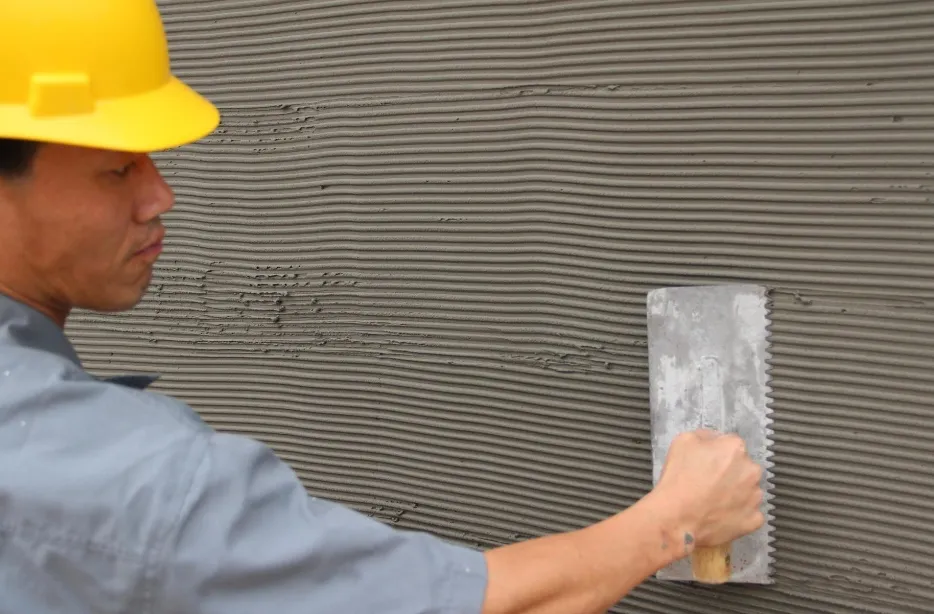
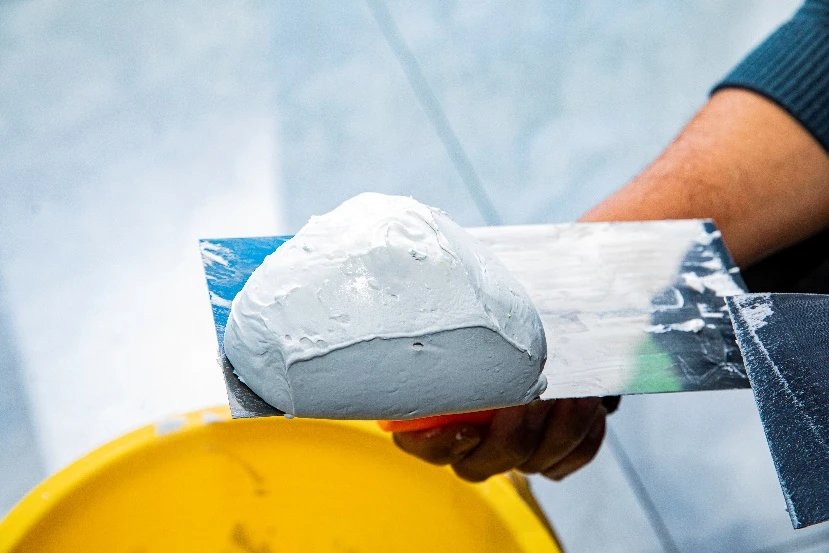
The Versatile Uses of Hydroxypropyl Methylcellulose Hydroxypropyl methylcellulose (HPMC) is a synthetic polymer derived from cellulose, a natural polymer found in the cell walls of plants. As a non-ionic, water-soluble substance, HPMC exhibits a range of properties that make it valuable across various industries, including pharmaceuticals, food, construction, and cosmetics . This article explores the diverse uses of hydroxypropyl methylcellulose and its significance in modern applications. Pharmaceutical Applications In the pharmaceutical industry, HPMC is primarily used as a thickening agent, binder, and film-forming agent in tablet formulations. Its ability to form gels when mixed with water makes it ideal for creating controlled-release drug formulations. This property is particularly beneficial for medications that require a gradual release of active ingredients over an extended period, enhancing therapeutic effects while minimizing side effects. HPMC is also widely used in ophthalmic preparations. Eye drops, gels, and ointments formulated with HPMC provide moisture retention and lubricating effects, which are essential for treating dry eye conditions and ensuring comfort in contact lens wearers. Additionally, HPMC assists in stabilizing emulsions and suspensions, ensuring consistent dosage delivery. Food Industry Applications The food industry reaps the benefits of HPMC for its thickening, emulsifying, and gelling properties. It is commonly used in low-fat and gluten-free products as a fat replacer and to improve texture and mouthfeel. HPMC enhances the consistency of sauces, dressings, and gravies, providing a desirable viscosity without adding extra calories. Moreover, it acts as a stabilizer in various food products, helping to maintain emulsions, thereby improving shelf life and product stability. In the realm of baking, HPMC is utilized as a gluten substitute, allowing manufacturers to create gluten-free baked goods that retain a similar texture to their gluten-containing counterparts. This is particularly important for individuals with celiac disease or gluten sensitivities, offering them safe and enjoyable food options. uses of hydroxypropyl methylcellulose Construction Industry Applications In construction, HPMC is an essential additive in cementitious materials, such as mortar and plaster, improving workability and reducing water usage. Its adhesive properties enhance the bonding of materials, making it an excellent choice for tiling adhesives and joint compounds. Furthermore, HPMC helps to improve the open time of these products, allowing for more precise application and adjustment during construction processes. As a water-retaining agent, HPMC contributes to the prevention of cracking and shrinkage in concrete. This is especially vital in hot and windy conditions, where rapid evaporation of water can compromise the integrity of concrete structures. By ensuring optimal moisture retention, HPMC promotes stronger and more durable construction materials. Cosmetic Applications In the cosmetics industry, HPMC serves as a thickening agent and stabilizer in various formulations, including lotions, creams, and gels. Its ability to retain moisture makes it a popular choice for skin care products, promoting hydration and improving the overall texture of the product. HPMC is also used in hair care products, where it functions as a conditioning agent, enhancing the manageability and shine of hair. Additionally, HPMC's film-forming properties make it suitable for use in color cosmetics, such as foundations and mascaras, helping to create a smooth, even application. Its non-ionic nature also reduces the risk of skin irritation, making it a safe option for sensitive skin types. Conclusion The versatility of hydroxypropyl methylcellulose makes it a valuable ingredient across multiple industries. From its critical role in pharmaceuticals and food products to its applications in construction and cosmetics, HPMC demonstrates a unique ability to enhance product performance and consumer satisfaction. As research continues to explore new applications and formulations, HPMC's significance in industrial and everyday products is likely to grow, underscoring the importance of this multifunctional polymer in modern society.
advantages
-

200000 Viscosities
Excellent product
We can produce pure products up to 200,000 viscosities
-

40000 tons
High yield
We don’t stop production all year round, and the annual output can reach 40,000 tons
-

24 hours
Quality service
We provide 24-hours online reception service, welcome to consult at any time
———— Inquiry Form
Schedule A services
-
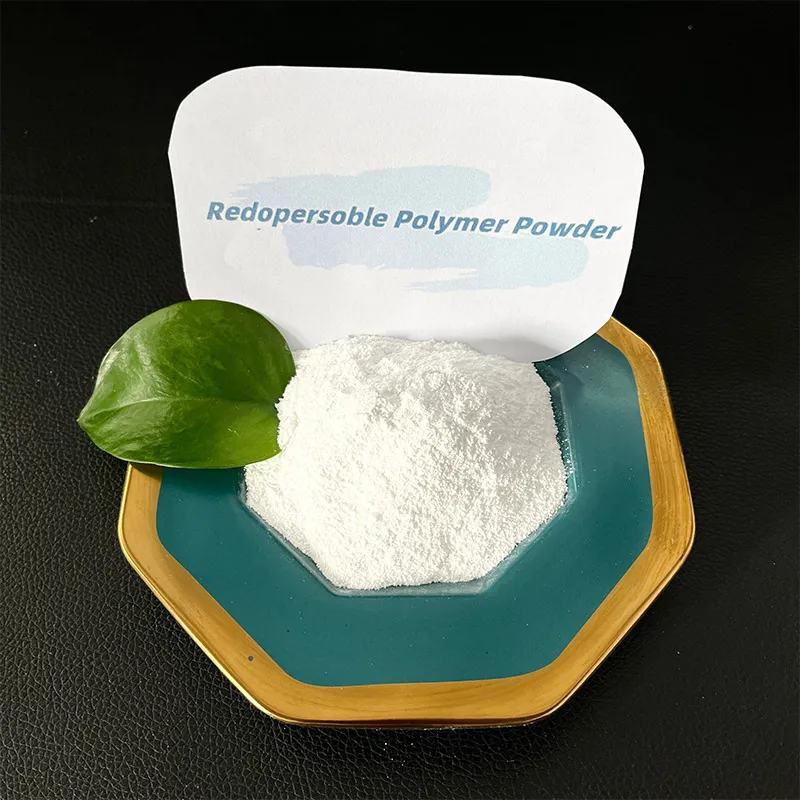 hpmc_dispersion
Oct . 25, 2025
When exploring the landscape of construction materials, HPMC Limited emerges as a pivotal player, re -
 how_to_extract_cellulose_from_wood
Oct . 25, 2025
Hydroxypropyl Methylcellulose (HPMC) E5 is a versatile and essential ingredient in various industrie -
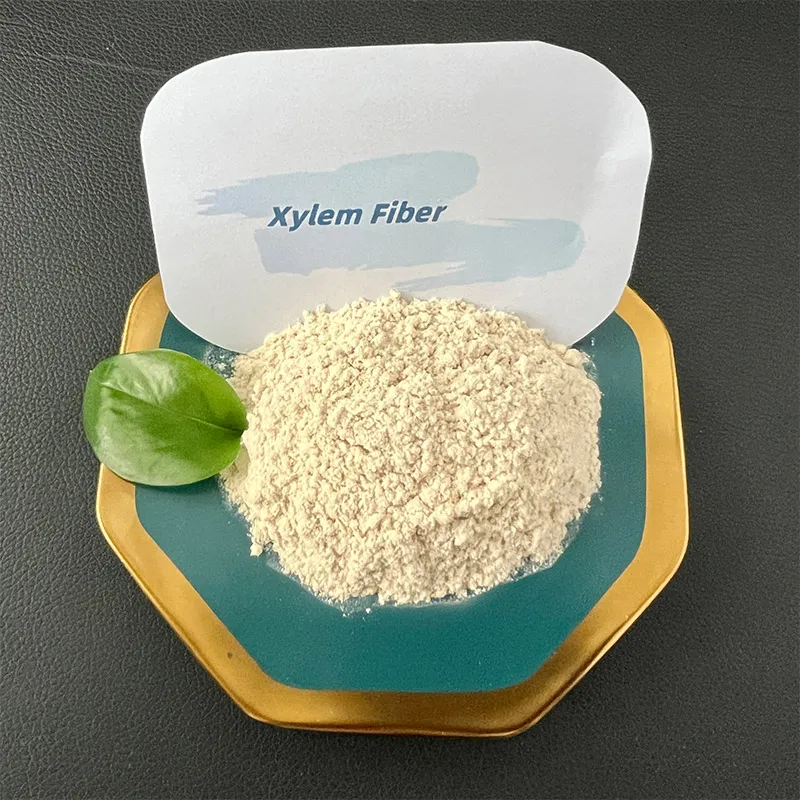 redispersible_emulsion_powder
Oct . 25, 2025
In the demanding world of construction finishes, controlling time is paramount. A plaster retarder s


